Transparent SMD Screens. Digital Content Without Blocking The View.
Create powerful digital experiences on glass, storefronts, showrooms and architectural spaces with transparent SMD LED display solutions designed to combine high-impact content with visibility through the screen.
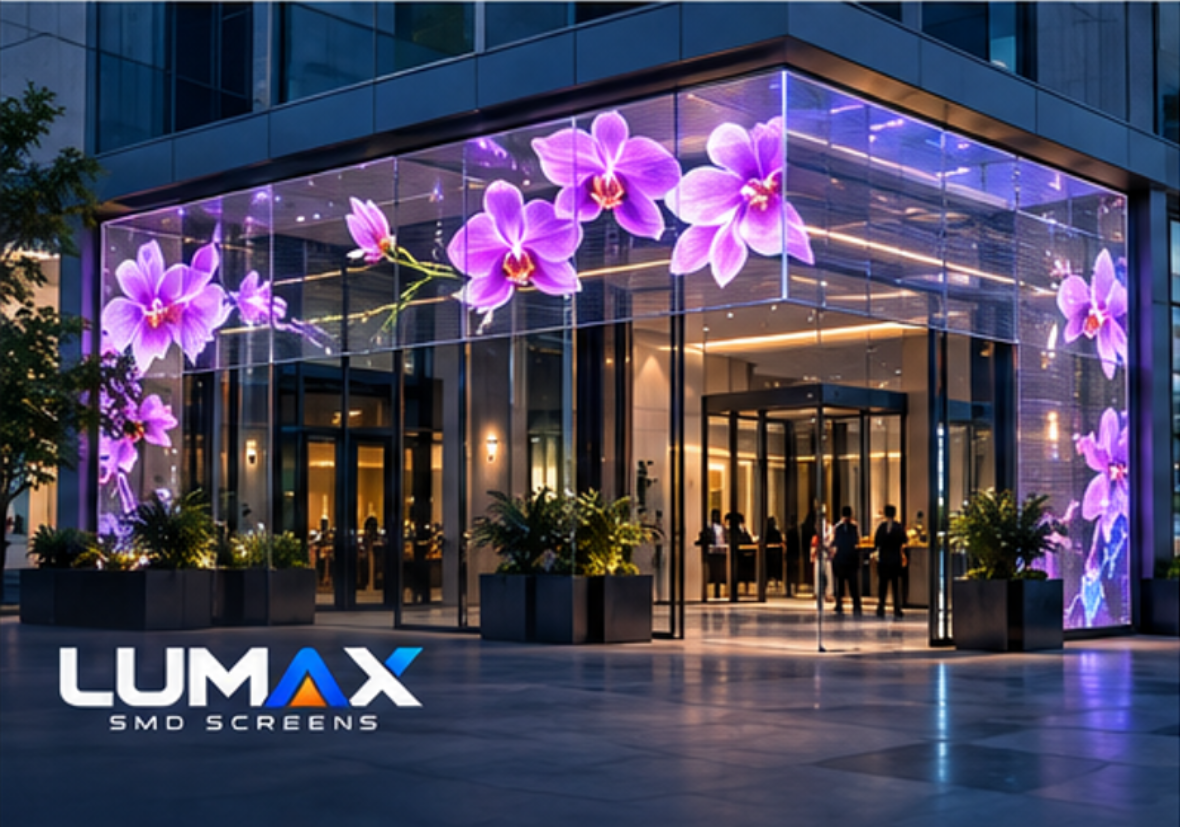
Turn Glass Into Digital Media.
Transparent SMD screens are designed for locations where businesses want to display digital content without completely hiding the space, products or visual environment behind the display.
Instead of creating a solid visual wall, transparent LED technology uses an open display structure that allows light and the background view to remain part of the overall installation.
What Is a Transparent SMD Screen?
A transparent SMD screen is a specialised LED display designed with an open or see-through structure. Unlike a conventional solid LED display, the structure creates spaces through which ambient light and parts of the background can remain visible.
How Does Transparent LED Display Technology Work?
Traditional SMD screens are built as dense, opaque display surfaces. Transparent LED displays are engineered differently: LED components are arranged on a lightweight open structure, allowing the display to produce digital content while retaining a degree of visual transparency.
The result is particularly useful for storefronts, glass façades, showrooms and architectural spaces where a conventional LED wall could obstruct the view or reduce natural light.
Open Display Structure
The LED system uses a see-through construction rather than a completely solid display surface.
Digital Content
Video, branding, graphics, promotions and information can be displayed as digital content.
Background Visibility
The underlying environment can remain visually integrated with the display depending on the selected configuration.
Indoor & Outdoor Transparent LED Solutions.
Transparent displays should be specified around the actual installation environment. Indoor and outdoor applications can require different brightness, protection, mounting and structural considerations.
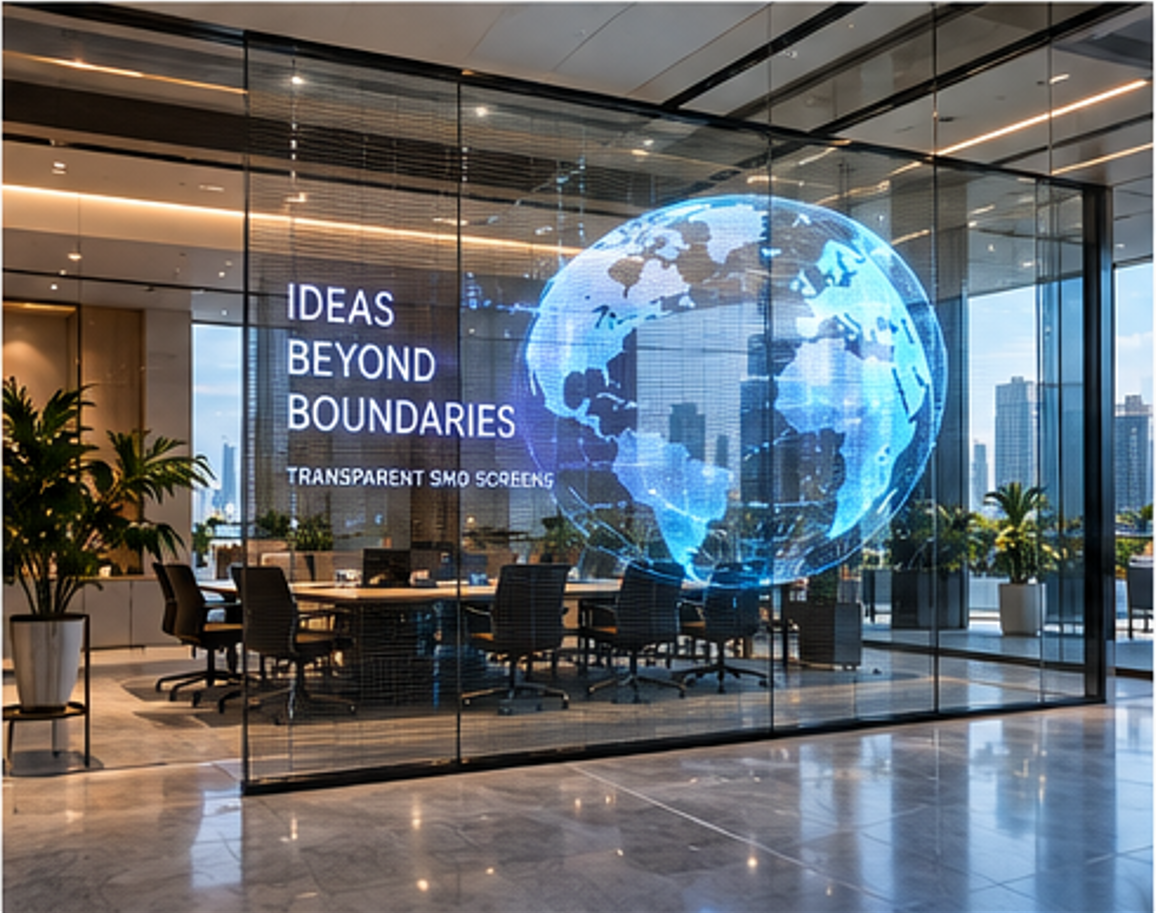 INDOOR TRANSPARENT LED
Indoor Transparent SMD Screens
Designed for controlled indoor environments where transparency, aesthetics and digital communication need to work together.
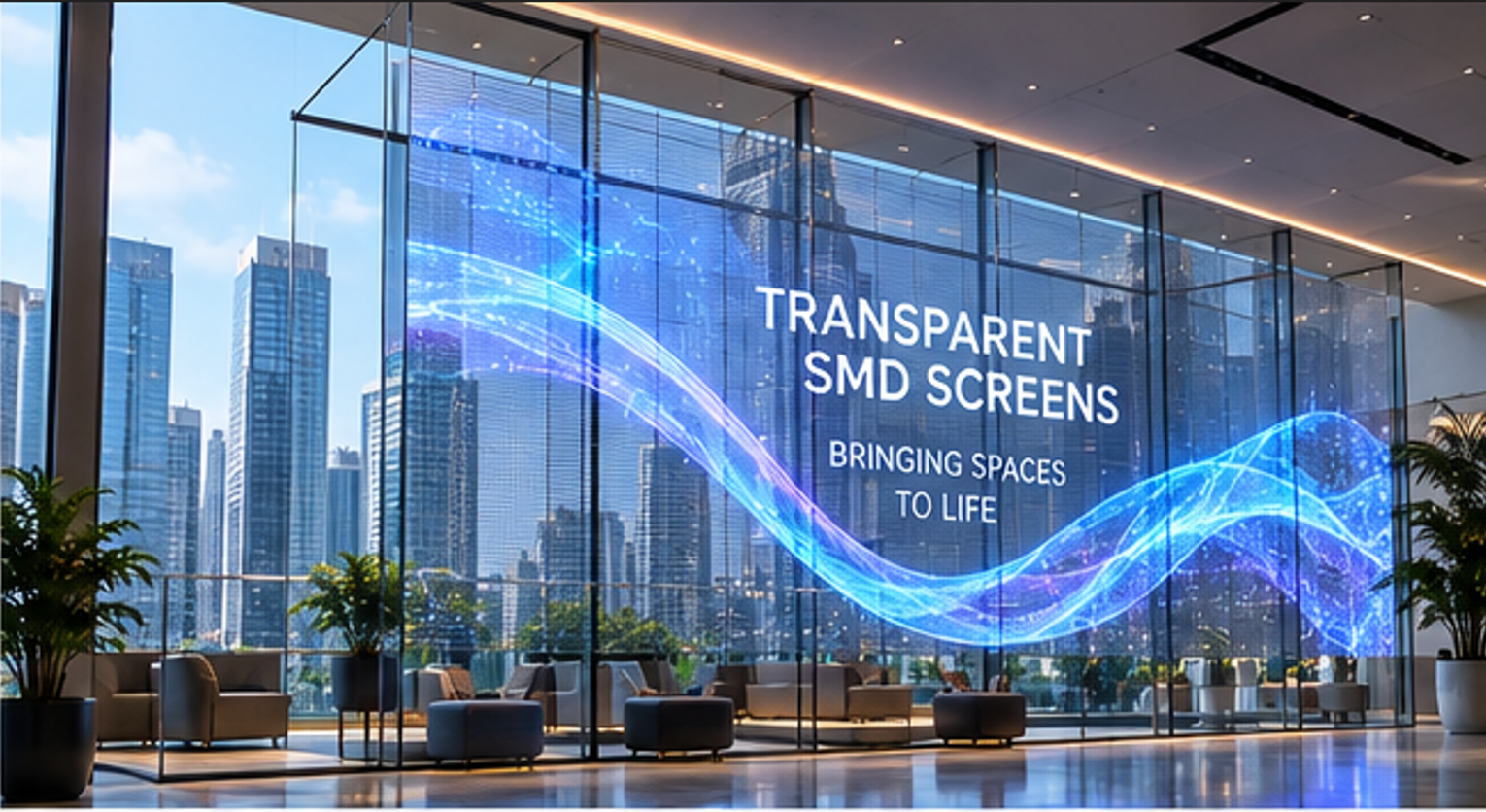 OUTDOOR TRANSPARENT LED
Outdoor Transparent SMD Screens
Outdoor transparent LED installations require careful planning around sunlight, weather exposure, mounting structure, viewing distance and content visibility.
A Display That Becomes Part Of The Architecture.
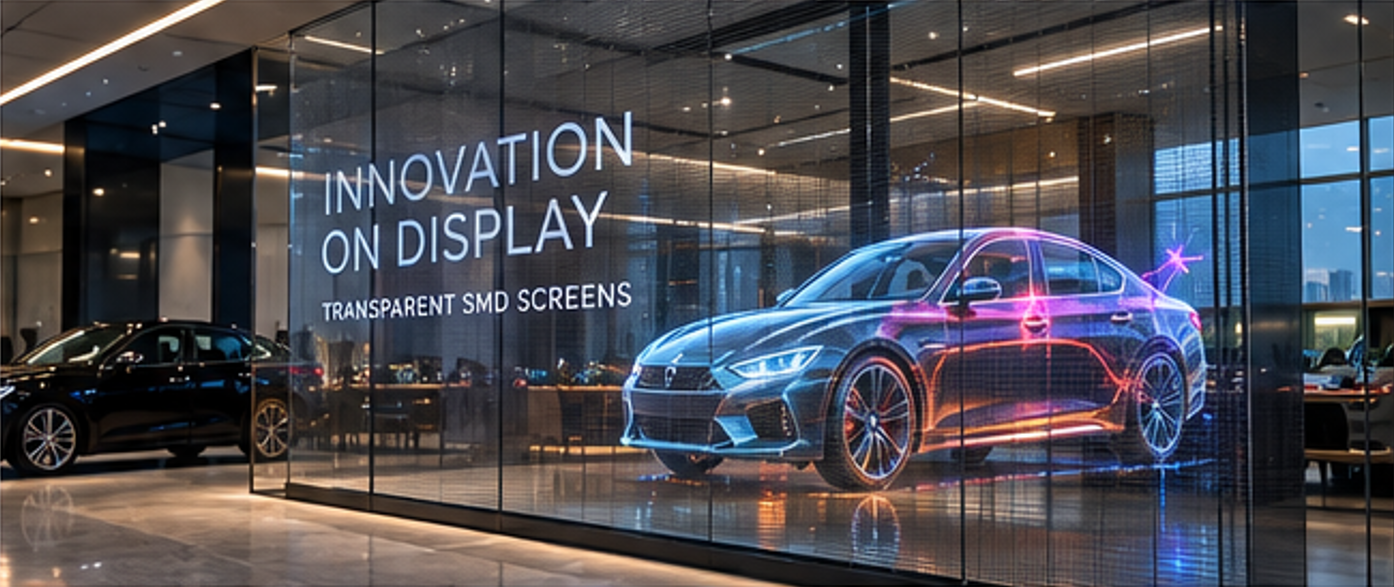
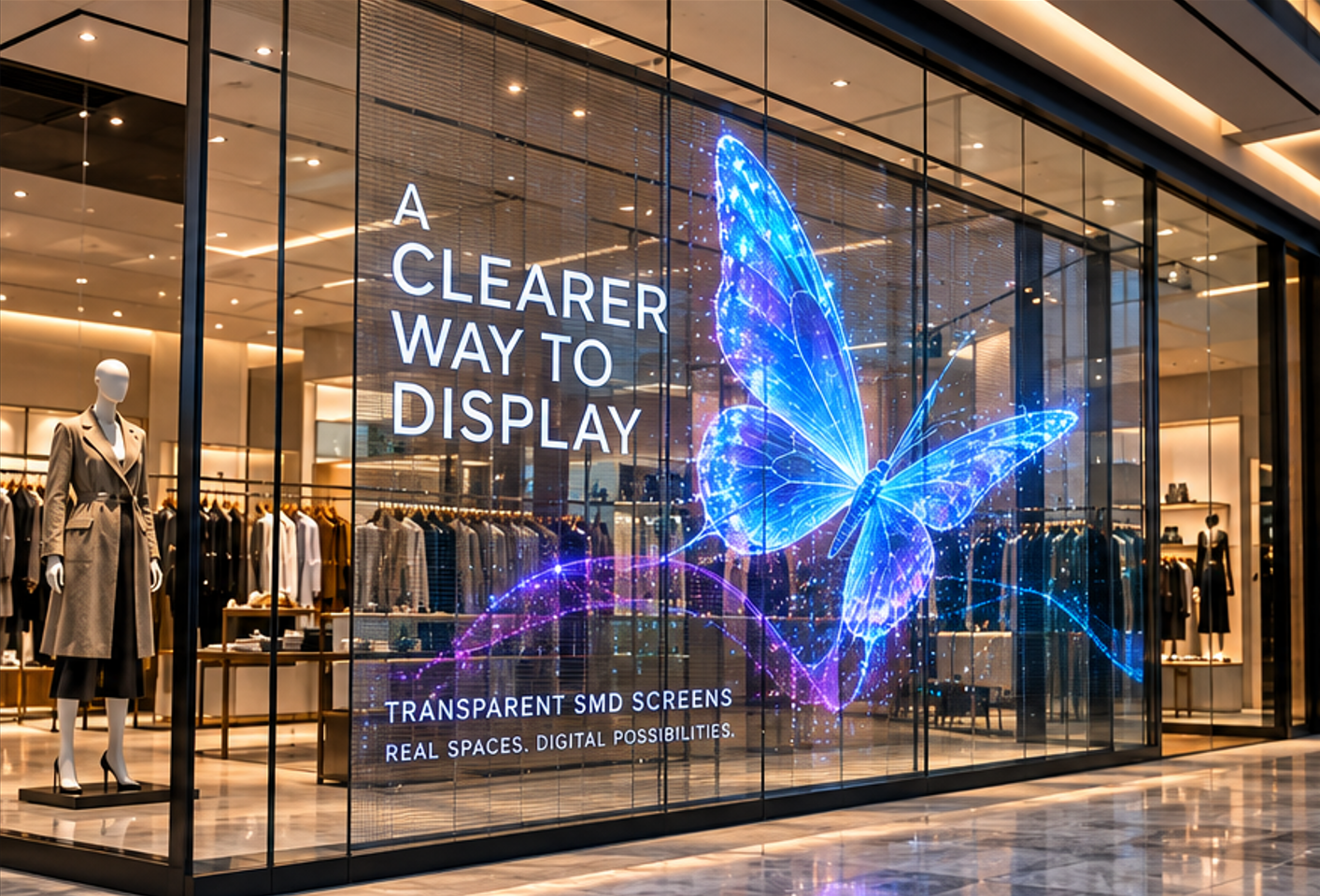
Transparent LED can be integrated into glass-based commercial environments where the display should attract attention without visually replacing the entire space behind it.
More Than A Screen. A Visual Layer.
Transparent SMD displays are valuable when the surrounding architecture, glass, products or natural light are part of the visual experience.
Preserve Sightlines
Keep the visual character of glass-fronted spaces while adding dynamic digital content.
Premium Visual Impact
Create a distinctive see-through LED experience that looks different from conventional digital signage.
Dynamic Advertising
Replace static posters and graphics with flexible digital campaigns that can be updated with new content.
Architectural Integration
Plan the display around glass façades, retail interiors, showrooms and modern commercial architecture.
Where Can You Use Transparent SMD Screens?
Transparent LED is particularly useful where digital content needs to coexist with glass, products, architecture or the physical environment behind the display.
Retail & Shopping Malls
Transform glass storefronts and retail windows into dynamic advertising and branding surfaces while keeping the merchandise and interior visible.
Glass Buildings & Façades
Add digital media to selected architectural surfaces while maintaining the visual character of the glass structure.
Car Showrooms
Use transparent LED around showroom glass to display campaigns, launches and brand content while keeping the vehicles visible behind the display.
Designed For Modern Commercial Spaces.
Transparent LED can be considered for a wide range of commercial and architectural display projects.
Premium storefront advertising and visual merchandising.
Branding and information displays integrated with glass areas.
Digital experiences for modern hospitality environments.
Lightweight visual displays for exhibitions and activations.
Branding, advertising and information in selected glass areas.
Digital menus, promotional content and branded visual walls.
Architectural marketing and digital building presentations.
High-impact installations for launches, campaigns and events.
Transparent SMD vs Standard SMD.
Neither display type is universally better. The right choice depends on whether the project needs maximum visual density or a see-through display experience.
From Glass Surface To Digital Experience.
A transparent LED project should be planned as a complete display installation rather than simply ordering LED panels.
Requirement Discussion
Understand the location, application, screen purpose, available area and desired visual experience.
Site & Glass Assessment
Review the installation environment, glass area, access, viewing distance and mounting requirements.
Display Specification
Select suitable pixel pitch, configuration, brightness and technical components according to the project.
Structure & Planning
Plan the mounting structure, electrical requirements, controller location and service access.
Installation
Install and connect the display system according to the approved project configuration.
Testing & Calibration
Complete signal testing, display configuration and final calibration before project handover.
Continue Your LED Display Research.
Explore LUMAX guides and tools to understand screen size, pixel pitch, pricing and complete LED display configuration.
Transparent SMD Screen FAQs.
Common questions about transparent LED displays, applications, installation and project planning.
What is a transparent SMD screen?
Where are transparent LED screens commonly used?
Can transparent SMD screens be installed outdoors?
Can transparent LED screens be installed on glass?
Does a transparent LED screen completely block the view?
Is transparent LED better than a normal SMD screen?
How much does a transparent SMD screen cost in Pakistan?
How do I choose the right transparent LED screen?
Ready To Turn Your Glass Into Digital Media?
Share your location, approximate screen dimensions, glass area and application with LUMAX. Our team can help you determine whether transparent LED is suitable for your project and plan the right display configuration.