
Same Technology.
Different Environment.
Indoor and outdoor SMD screens may look similar, but their brightness, protection, pixel pitch and cabinet design are engineered for very different environments.
Choose For The Environment First.
The right SMD screen isn't simply about choosing the highest brightness or smallest pixel pitch. The installation environment, viewing distance, ambient light and exposure to weather all matter.
Indoor displays generally prioritise fine pixel pitch, colour accuracy and comfortable viewing. Outdoor systems prioritise sunlight readability, weather protection and structural durability.
A screen designed for a controlled indoor environment does not automatically become suitable for outdoor use. Outdoor installations require the appropriate cabinet, brightness, protection and structural specification.
Indoor Or Outdoor?
Start with where the screen will actually live. Then match the technical specification to that environment.
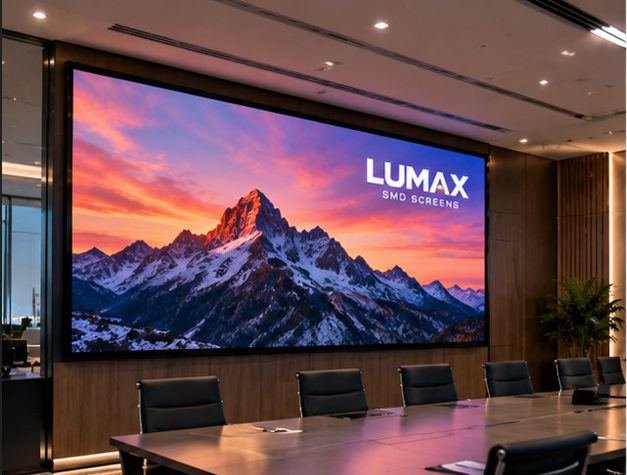
Indoor SMD Screens
Designed for controlled environments where viewers are relatively close to the display.
- ✓ Fine pixel pitch for detailed content
- ✓ Comfortable brightness for indoor spaces
- ✓ Slim cabinet and clean installation
- ✓ Ideal for offices, malls and auditoriums
- ✓ Suitable for close viewing distances

Outdoor SMD Screens
Engineered for brighter environments and exposure to sun, rain, dust and changing weather.
- ✓ High brightness for sunlight visibility
- ✓ Weather-rated cabinet protection
- ✓ Reinforced construction for outdoor use
- ✓ Ideal for billboards and building façades
- ✓ Designed for longer viewing distances
Specification Changes With The Environment.
Indoor SMD
Outdoor SMD
Brightness & Protection.
Two of the most important differences between indoor and outdoor LED display systems are brightness and environmental protection.
Brightness
Indoor displays normally use lower brightness because the viewing environment is controlled. Outdoor displays require substantially higher brightness to remain readable in direct sunlight.
*Typical/reference ranges. Exact brightness depends on LED package, model, calibration and installation.
IP Protection
Outdoor cabinets need appropriate protection against dust and water. Indoor cabinets are generally designed for controlled environments and do not provide the same weather protection.
*IP rating must be confirmed for the exact cabinet, installation direction and project environment.
Distance Changes The Right Pitch.
Pixel pitch is the distance between adjacent LED pixels. Smaller pitches generally provide higher pixel density and are useful when viewers are close to the screen.
For outdoor installations, viewers are usually farther away, so a coarser pitch can often provide the right balance between image quality and project cost.
Always select the pitch based on the actual closest viewing distance and content requirements.
viewing
indoor
spaces
viewing
viewing
Built For Different Spaces.
Corporate Offices
Reception walls, boardrooms, meeting rooms and corporate presentations.
Retail & Malls
Brand walls, promotional displays, digital signage and customer experiences.
Events & Exhibitions
Temporary or permanent display systems selected according to venue conditions.
Outdoor Advertising
Roadside advertising, building façades, commercial locations and high-visibility campaigns.
Stadiums & Sports
Large-format LED displays designed for long-distance audience visibility.
Public Spaces
Transport areas, public information, commercial plazas and large venues.
Hotels & Hospitality
Ballrooms, lobbies, conference areas and premium visual environments.
Building Facades
Architectural media façades and large-scale commercial visibility.
Which One Is Right For You?
Is it fully indoors?
If the display is inside a controlled building without direct weather exposure, start with indoor.
Does direct sunlight hit it?
Strong direct sunlight increases the need for higher brightness and appropriate cabinet design.
Can rain or dust reach it?
If yes, specify an outdoor/weather-rated solution appropriate to the installation.
How close is the viewer?
Closer viewers generally require a finer pixel pitch for detailed text and imagery.
What will you display?
Text-heavy content and detailed visuals can benefit from finer pitch and suitable refresh performance.
Need the exact answer?
Share your location, dimensions and viewing distance so the right specification can be recommended.
Don't Just Choose A Screen. Choose The Right One.
❌ The Wrong Approach
Choosing a display only by price or screen size without checking the environment and viewing distance.
- Using indoor cabinets in exposed outdoor locations
- Selecting pitch without checking closest viewing distance
- Ignoring sunlight and ambient brightness
- Ignoring weather and dust exposure
✓ The LUMAX Approach
Start with the actual site conditions and then match the screen specification to the project.
- Check installation environment
- Measure screen size and viewing distance
- Match brightness to ambient light
- Select suitable cabinet and IP protection
Let's Find The Right Screen.
Tell us your location, screen size, viewing distance and application. Our team can help you identify the right indoor or outdoor SMD solution.
Indoor vs Outdoor FAQs.
*Technical values shown on this guide are typical/reference ranges only. Exact pixel pitch, brightness, IP rating, cabinet construction and other specifications vary by manufacturer, model and project requirements. Final specification should be confirmed through a proper site assessment and technical quotation.